TAKE 60™ · Chair of JOY®

Take 60 seconds for yourself.

TAKE 60™ is a simple invitation to interrupt autopilot and give yourself 60 seconds, whether life is challenging or going beautifully.

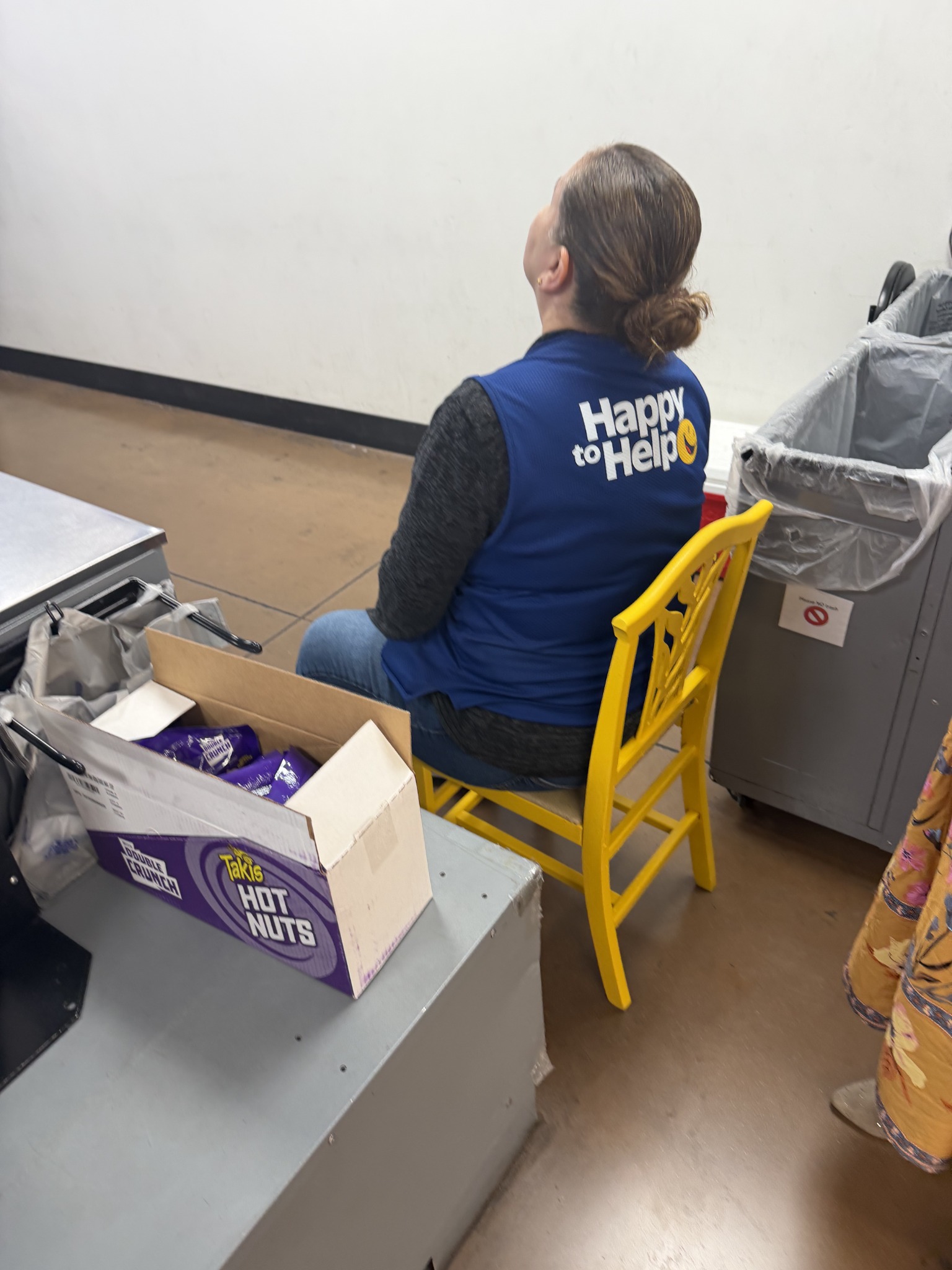
The Chair of JOY® is where it happens. The yellow chair is a visual reminder and an invitation to make room for yourself.

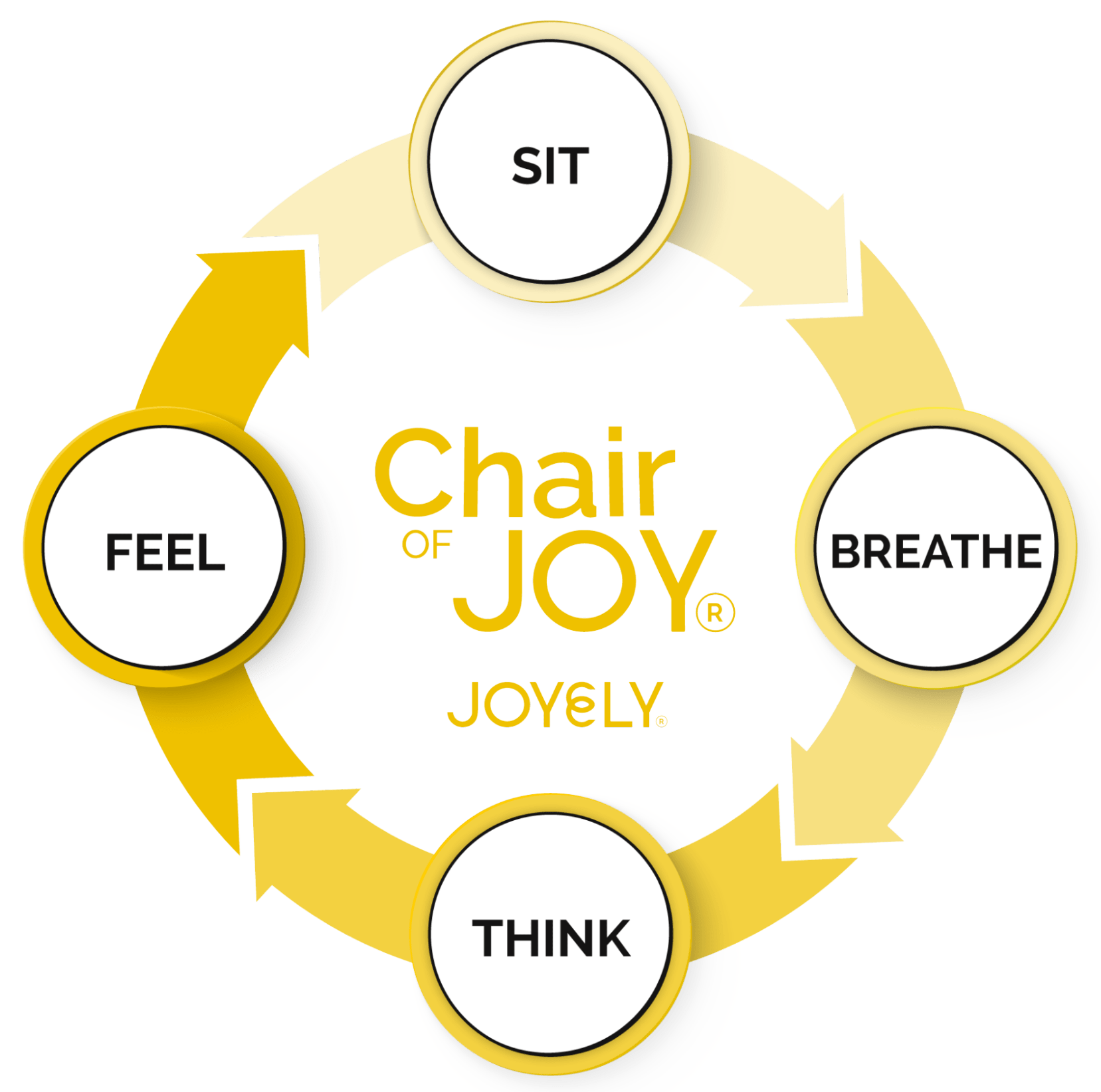
Sit. Breathe. Think. Feel.™ is what you do in those 60 seconds. Four steps you can use at work, at school and at home.

Book a Free 15-Minute Call
Yellow Chair of JOY with a TAKE 60 pillow in a sunlit room
Science-informed

Why the Chair of JOY® Works

Rooted in JOY Intelligence™, the Chair of JOY® and TAKE 60™ draw on research about attention, breathing and emotion to make Safety, Presence and Joy easier to reach in everyday life.

60 Seconds to Reset

TAKE 60™ gives a demanding moment some room:

  • Interrupt: Step out of an automatic reaction before it takes over.
  • Notice: Recognize what you're feeling and what you need.
  • Choose: Decide how you want to respond, instead of reacting.

60 seconds is enough to interrupt a pattern and redirect attention. With practice, it becomes easier to reach for when it matters most.

Safety, Presence & Joy

The three foundational pillars of JOY Intelligence™:

  • Safety: Feeling secure enough to be yourself, without fear or judgment.
  • Presence: Having the awareness and attention to fully engage in the moment.
  • Joy: Experiencing meaningful connection to yourself, others, and what matters most.

Together, these three pillars form the foundation of JOY Intelligence™, our capacity to strengthen our emotional baseline, navigate challenges, build meaningful connections, and experience life more fully.

For Every Setting

TAKE 60™ is simple enough to use almost anywhere:

  • At home: A moment to reset before a hard conversation or a busy evening.
  • At work: Room to think clearly before a decision or a difficult meeting.
  • At school and in community: A shared language for kids, educators and neighbors.

No special equipment or experience needed. Just a chair, 60 seconds and the willingness to show up for yourself.

The Four Steps

Sit. Breathe. Think. Feel.™

A practice that meets you wherever you are: in the boardroom, the locker room, the classroom or at home.

Step 01
SIT
Stillness Intention Support
Step 02
BREATHE
Mind Body Energy Release
Step 03
THINK
Choice Clarity Memories Results
Step 04
FEEL
Allowing Practice Connection Transformation
Sit
Sentarse · S'asseoir
Sitzen · Sedersi · उपवेशन
Breathe
Respirar · Respirer
Atmen · Respirare · श्वास
Think
Pensar · Penser
Denken · Pensare · चिन्तन
Feel
Sentir · Ressentir
Fühlen · Sentire · अनुभव
1
SIT
Stillness · Intention · Support

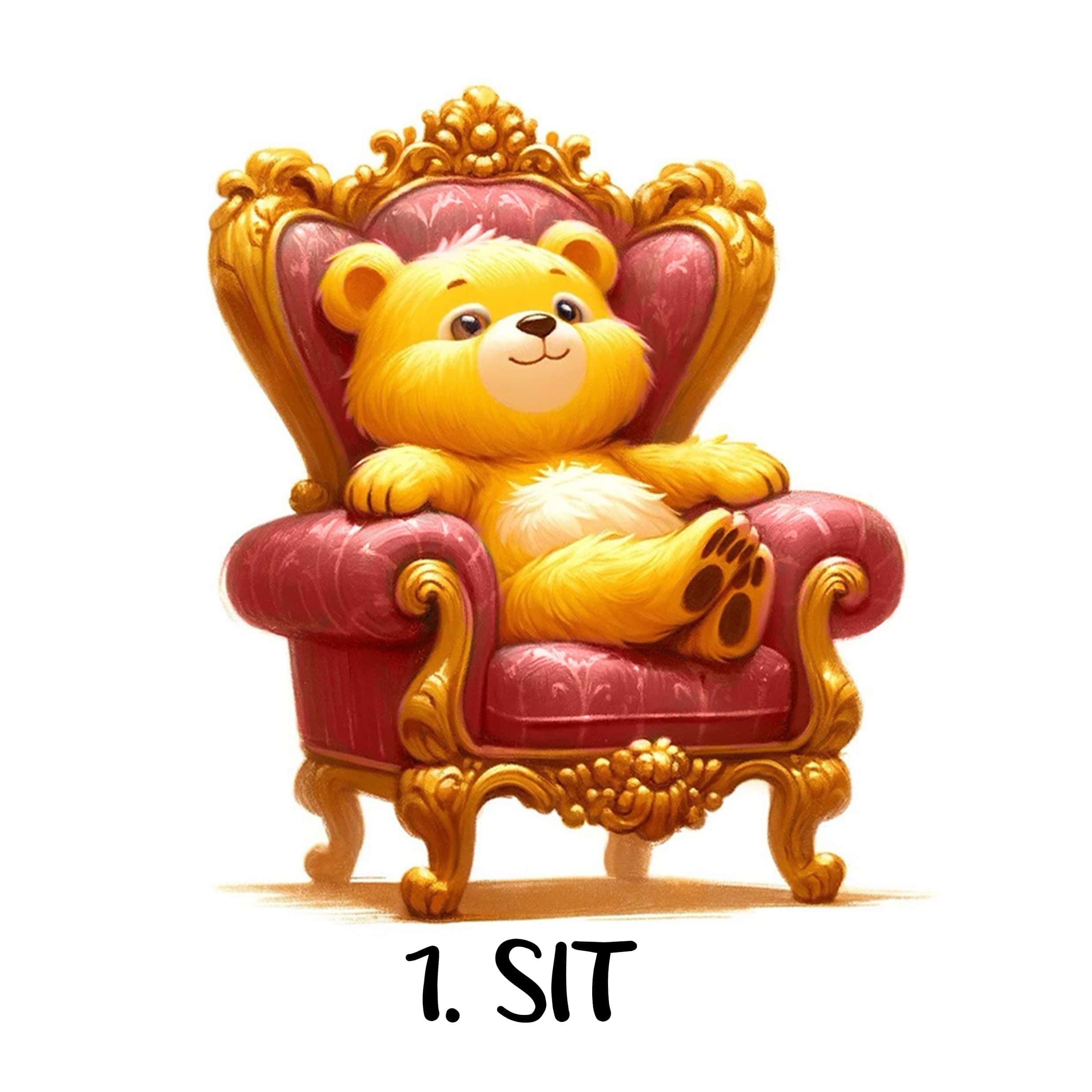
Step 1: Sit

Sitting down on purpose is how TAKE 60™ begins. It interrupts the rush of the day, redirects attention and creates room to notice how you're feeling and choose what comes next.

  • Stillness: Sitting still creates a moment of calm and makes room for a new perspective.
  • Intention: Being present helps you set an intention for what comes next.
  • Support: Feeling the chair hold you is a physical reminder that you are supported.

What we're studying: Through our pilot study with Norooz Clinic, we're measuring what taking 60 seconds for yourself can lead to.

Sit
2
BREATHE
Mind · Body · Energy · Release

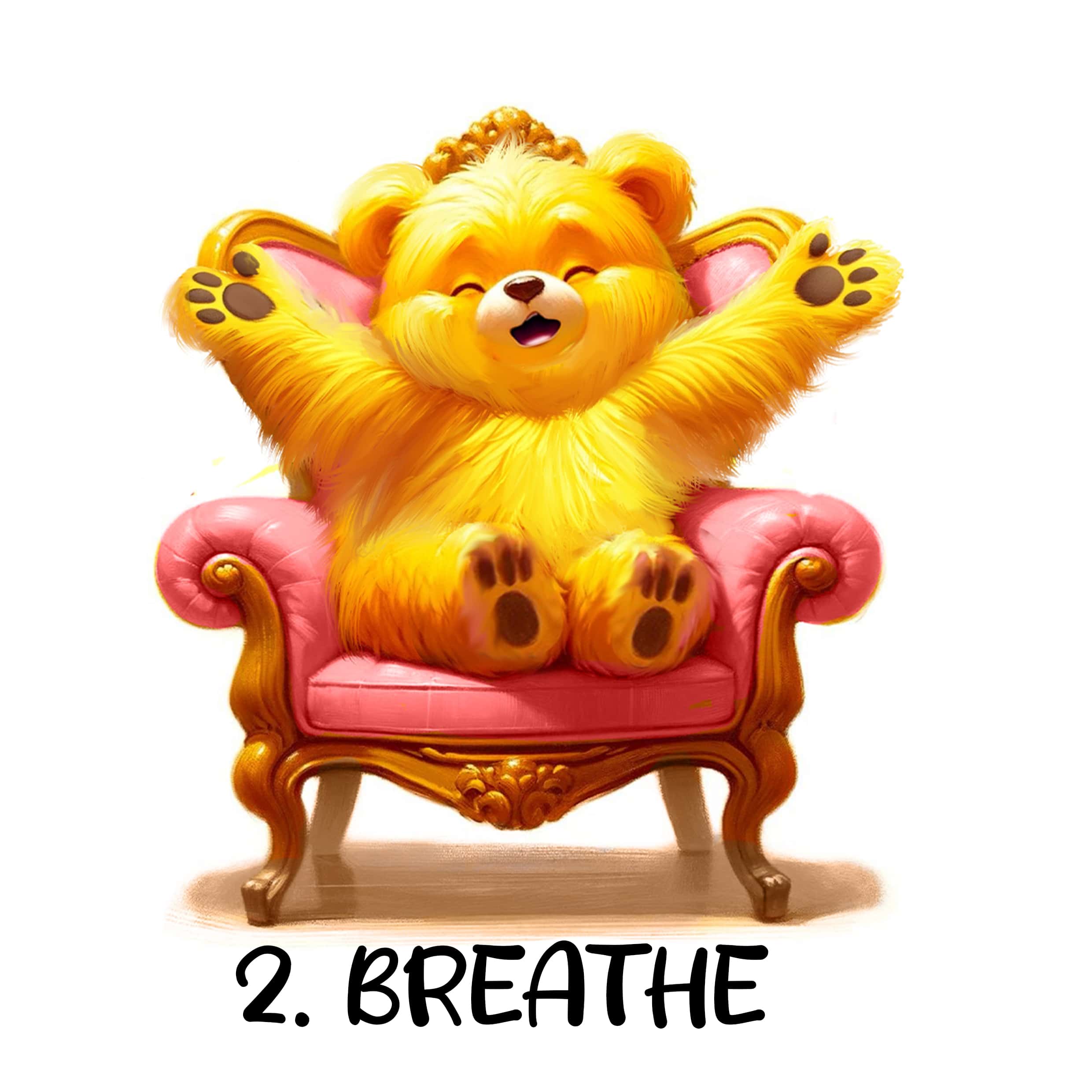
Step 2: Breathe

Slow, intentional breathing is one of the simplest ways to settle the body and mind. A few deep breaths can help you feel calmer and more balanced in the moment.

  • Mind: Focusing on your breath brings your attention back to the present.
  • Body: Slow breathing can help ease physical tension.
  • Energy: A few deep breaths can leave you feeling steadier and refreshed.
  • Release: Breathing out slowly helps you let go of what you don't need to carry into the next moment.

What research shows: Studies show that slow, deep breathing can engage the body's calming response and help reduce feelings of stress in the moment.

Breathe
3
THINK
Choice · Clarity · Memories · Results

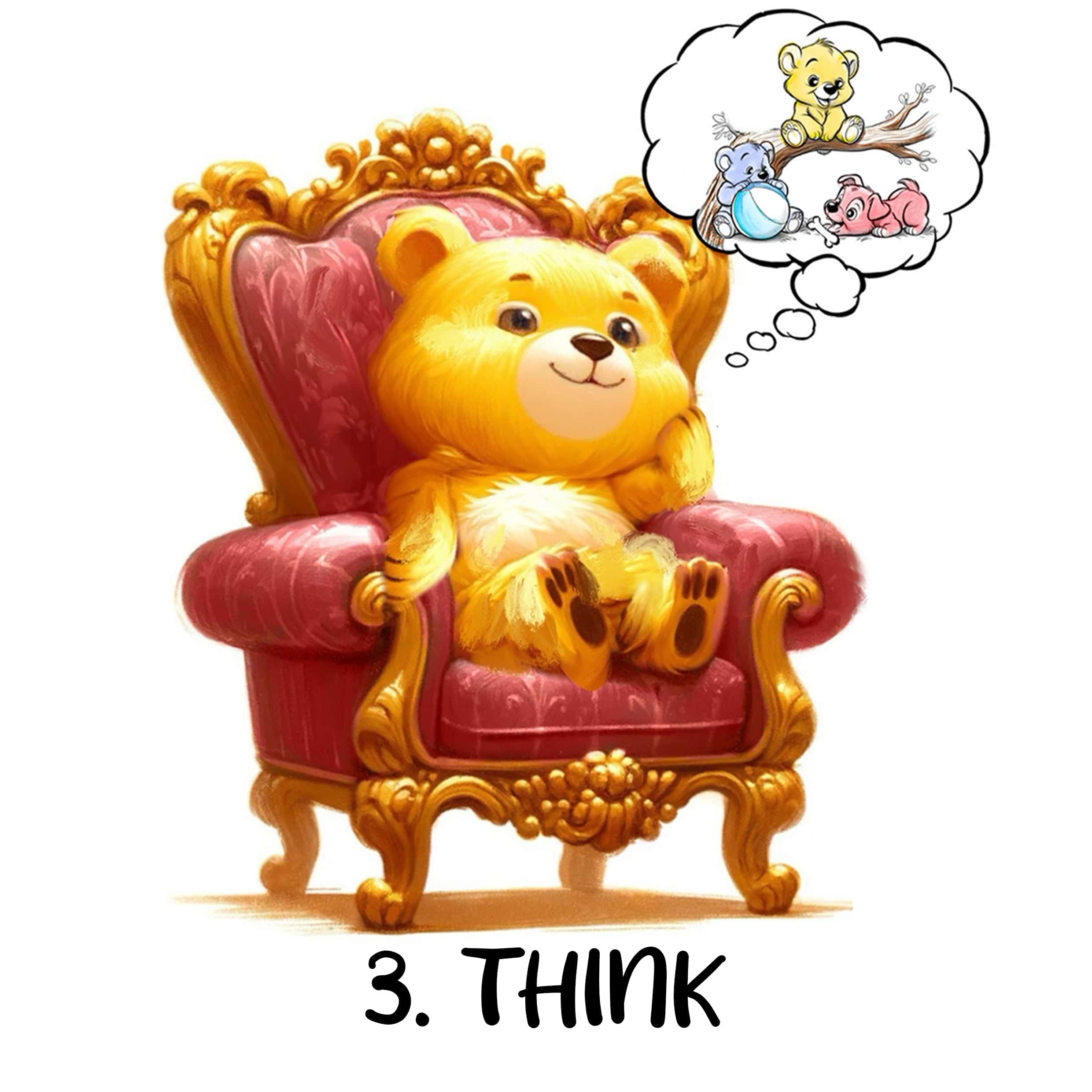
Step 3: Think

Recalling a great moment brings positive memories forward. Reflecting on what's good can lift your mood and help you approach what's next with a clearer mind.

  • Choice: Choose to reflect on a joyful moment or a positive thought.
  • Clarity: Shifting your focus can help you see a situation more clearly.
  • Memories: Recalling a positive memory can lift your mood in the moment.
  • Results: A clearer mind supports better choices about what to do next.

What research shows: Research by Alice Isen found that positive emotions can support flexible thinking and creative problem-solving.

Think
4
FEEL
Allowing · Practice · Connection · Transformation

Step 4: Feel

Letting yourself fully feel a positive emotion helps you notice and savor it. Allowing those feelings is part of how joy becomes easier to recognize in everyday life.

  • Allowing: Give yourself permission to feel what's good, without rushing past it.
  • Practice: The more often you notice positive emotions, the easier they become to recognize.
  • Connection: Positive emotions can help you connect more openly with others.
  • Transformation: Over time, savoring good moments can become a natural part of your day.

What research shows: Research by Fredrickson and colleagues found that positive emotions enable people to see new possibilities, connect more deeply with others, and bounce back from setbacks.

Feel
Our Story

It Started With a Chair

In 2019, I bought a big white chair. I had no idea how much would begin with something so simple.

As COVID changed our world, I noticed people pulling away from everyday life and from one another. I wanted to create a reason for people to come together, even for a few minutes.

So I invited people to sit with me.

Something wonderful began happening. People stopped, watched, asked questions, and wanted to experience it for themselves. Some even wanted to take the idea home.

Children loved it! A little pink chair beside mine became a place to sit, talk, imagine, and laugh. Families began sharing stories, having conversations, and connecting.

What started as a simple invitation to sit together became the beginning of the Chair of JOY®.

And it taught me something I've carried forward ever since: sometimes a few minutes of genuine connection can mean more than we imagine.

Sheryl Lynn
A Real Story

A Homeland Security Agent's Chair of JOY® Experience

She had spent years compartmentalizing emotions. There was work to be done, and in her world, there was no space for grief. A Homeland Security agent, trained to push through and stay composed, she had never allowed herself the time to feel.

As she sat, breathed and thought, a new memory emerged. Instead of the pain of losing her brother, she pictured him walking into the room, smiling, and asking her to go to the beach. Tears of joy replaced the weight of loss.

To this day, that memory sustains her. When work gets overwhelming, she returns to that vision: her brother's invitation, the warmth of the sun, the sound of the waves. In 60 seconds, she has a way back to a refuge and a source of strength.

Chair of JOY
For Every Age

TAKE 60™ Children's Chair of JOY® System

Sit. Breathe. Think. Feel.™ is simple enough for every age. Kids learn to recognize what they're feeling and find their way back to calm and clarity, in 60 seconds.

Sit
Sitting in a designated chair creates a physical and mental space for calm.
Breathe
Focused breathing helps the body settle and relax.
Think
Recalling a positive experience helps shift attention toward what's good.
Feel
Allowing feelings, instead of pushing them away, helps kids move through them.
Chair of JOY® in Action

An Interactive Experience Gallery

Real people and real moments with the Chair of JOY®, in the communities we serve.

The Chair of JOY®

A place to return to yourself.

Life is already full. The chair helps you be more available for the life that's already there.

Book a Free 15-Minute Call Explore the Emotions Map →